
Leading Interior House Painting Tools For Perfect Results
Learn about top-rated products designed to help both beginners and pros achieve professional-quality interior paint finishes.
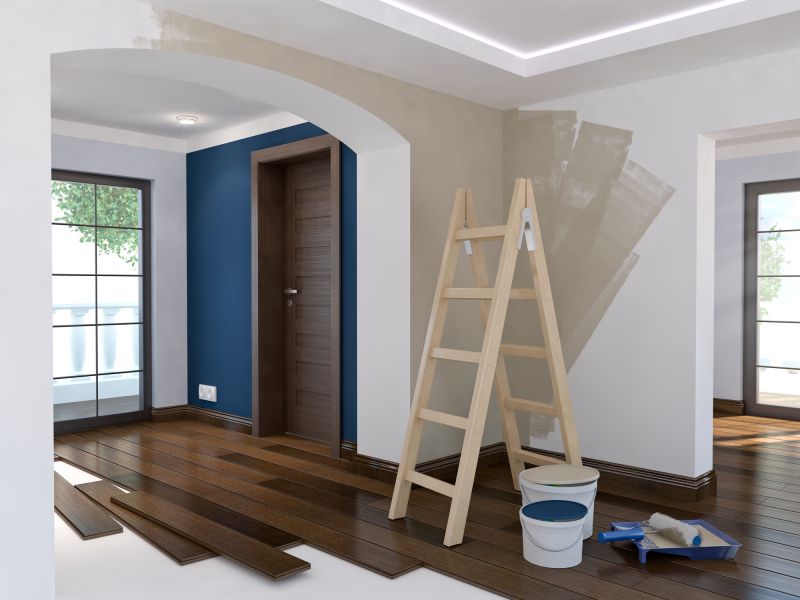 Interior house painting involves selecting the right products to achieve a professional and lasting finish. The process begins with choosing suitable paints that match the desired aesthetic and functional needs of each space. Different rooms and surfaces may require specific types of paint, such as matte finishes for living rooms to reduce glare or semi-gloss for kitchens and bathrooms to withstand moisture and cleaning. Proper preparation with primers and surface cleaners is essential to ensure paint adhesion and durability. Additionally, tools like brushes, rollers, and sprayers play a crucial role in applying paint evenly and efficiently.
Top Overall Option
Multi-Purpose Interior Paint
A versatile interior paint designed for various surfaces including walls, ceilings, and trim. It offers smooth application, good coverage, and a durable finish suitable for high-traffic areas. This type of paint is often available in multiple sheens and color options, making it adaptable to different aesthetic preferences. While not specific to any brand, selecting a high-quality multi-purpose interior paint can simplify the painting process and deliver consistent results across different rooms and surfaces.
Types of Products For Interior House Paintings
Interior Wall Paints
Available in various finishes such as matte, eggshell, satin, semi-gloss, and gloss, designed for walls and ceilings to achieve different visual effects and durability levels.
Primer and Sealers
Used to prepare surfaces, improve paint adhesion, and block stains or discolorations, ensuring a smooth and long-lasting finish.
Paint Rollers
Various roller types and nap lengths suited for different textures and surfaces, providing efficient coverage and smooth finishes.
Paint Brushes
Different sizes and bristle types designed for detailed work, edges, and corners to achieve precise application.
Spray Paint Machines
Electric or manual sprayers that facilitate quick and even application over large areas or textured surfaces.
Touch-up Pens and Small Applicators
Ideal for minor repairs, touch-ups, and detailed work in tight spaces or around trim.
Drop Cloths and Protective Coverings
Essential for safeguarding furniture, flooring, and fixtures from paint splatters and spills during the project.
Paint Extenders and Additives
Enhance paint properties such as flow, leveling, or drying time to suit specific application needs.
Cleaning Supplies for Painting
Solvents, brushes, and cloths used for cleaning surfaces and tools before, during, and after painting.
Decorative Finishes and Effects
Products like glazes, metallic paints, or textured coatings to add visual interest and depth to interior surfaces.
Popular Choices
A wide range of finishes and colors that are frequently chosen for their ease of application and aesthetic appeal.
Commonly used to prepare surfaces, especially in renovation projects, for better paint adherence.
Highly favored for their efficiency in covering large wall areas with minimal effort.
Popular for detailed work, edges, and corners, providing control and precision.
Trending for their speed and ability to achieve smooth finishes on various surfaces.
Useful for quick repairs and small corrections in painted areas.
Essential for keeping furniture and floors clean during painting projects.
Popular for adding unique visual effects and depth to interior walls.
Often used to improve workability and finish quality in various painting conditions.
Commonly selected for maintaining surfaces and tools during the painting process.
The quality of the paint and tools directly influences the final appearance of your interior walls. High-quality paints tend to offer better coverage, smoother finishes, and longer-lasting results. For detailed or intricate areas, smaller brushes or specialty tools may be necessary. When selecting products, consider the ease of application, drying time, and cleanup process. It is also important to assess the room's lighting and color scheme to choose shades that complement the space and create the desired ambiance.
Furthermore, safety considerations such as low VOC (volatile organic compounds) levels and proper ventilation are important when working indoors. Preparing the room by covering furniture and flooring helps prevent accidental splatters and stains. Whether you are a DIY enthusiast or hiring professionals, understanding the variety of available products and their specific uses can lead to a more satisfying painting experience. Investing in the right products ensures your interior spaces look polished and inviting for years to come.
Key Buying Considerations
- Surface compatibility: Ensure the product suits the material you are painting, such as drywall, plaster, or wood.
- Finish type: Choose between matte, eggshell, satin, semi-gloss, or gloss based on the desired look and durability.
- Coverage area: Consider the amount of paint needed for your project to avoid multiple purchases.
- Drying time: Look at the recommended drying and curing times to plan your painting schedule effectively.
- Ease of application: Select tools and products that match your experience level and comfort with painting.
- Color options: Verify the availability of the shades you want and whether custom mixing is possible.
- Durability: For high-traffic or moisture-prone areas, opt for paints with appropriate resistance qualities.
- VOC levels: Check for low or zero VOC products if indoor air quality is a concern.
- Brand reputation: Consider products with positive feedback for consistency and performance.
- Budget: Balance quality and cost to find products that meet your needs without overspending.
- Preparation requirements: Some paints require priming or surface preparation, which can affect your project timeline.
- Compatibility with existing finishes: Ensure new paint can be applied over existing coatings if re-painting.
- Environmental conditions: Consider humidity, temperature, and ventilation in your space to select suitable products.
- Cleanup: Choose products that are easy to clean from tools and surfaces after painting.
This content contains affiliate links. We may earn a commission from qualifying purchases to support our work.